
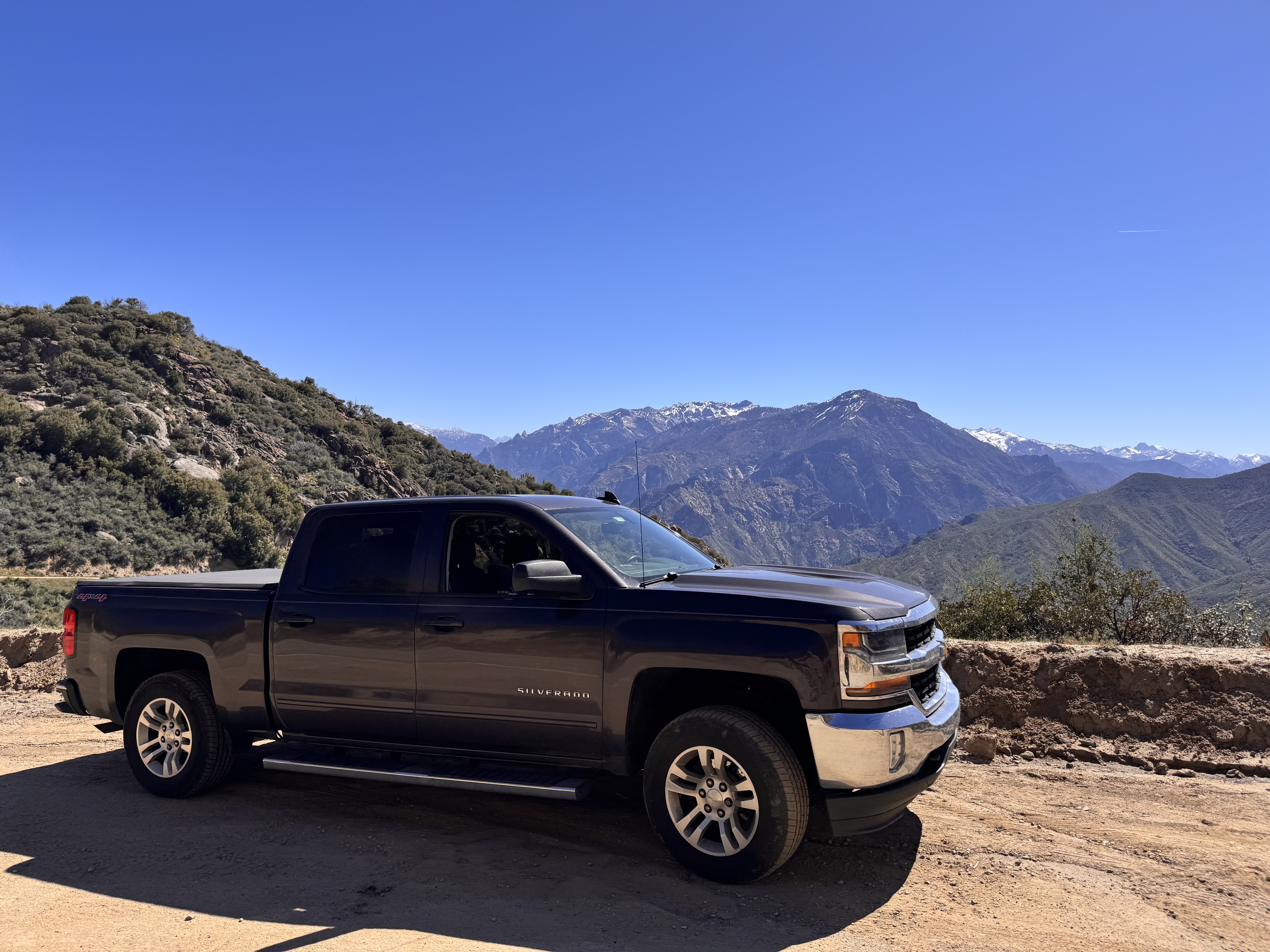
Last summer, I left my hometown in Indiana on the ultimate adventure: a three-week road trip to visit as many national parks as possible. Now, I’m excited to share the details of my itinerary, break down how much it all cost, and pass along some of the best tips and tricks I picked up along the way.
Table of Contents
Road Trip Map
Road Trip Itinerary
Here’s a quick look at my 3-week road trip itinerary! We kicked things off in Indiana and made our way to the West Coast. Due to a prior commitment, I flew back home from Portland on day 18 while my partner completed the return journey by car. So, I’ll just be outlining the portion of the trip that I was a part of!
Keep in mind that this is a pretty ambitious itinerary, but our goal was to just hit as many of the parks as we could! We also stayed on east-coast time for the most part so we could start our days and end our days early. Additionally, while we spent a good amount of time driving within the parks themselves, the listed drive times only account for travel between parks and major stops.
Day 1: Gateway Arch National Park
- Drive Time: ~14–16 hours
- Road Trip Route: Indiana → Gateway Arch National Park → Colorado (en route to Great Sand Dunes)
- Accommodation: Car Camping
Gateway Arch National Park ended up being more of a convenient road trip stop than a major destination for us—it was perfect for breaking up a long day of driving. We spent about an hour walking around the park before getting back on the road. Definitely not my favorite national park, but still a fun little detour.


Day 2: Great Sand Dunes National Park
- Drive Time: ~3–4 hours
- Road Trip Route: Colorado → Great Sand Dunes National Park
- Accommodation: Pinon Flats Campground
We had a shorter drive today compared to Day 1, which was honestly a huge relief after such a long push the day before. We made it to Great Sand Dunes by late morning and had the whole day to explore. While hiking up the dunes was brutal, the views were absolutely worth it. It was also really cool to see the contrast between the towering dunes and the snow-capped mountains in the background. This was our first night tent camping, and I was pretty excited that it happened to be in an International Dark Sky Park—the stars were absolutely incredible.


Day 3: Mesa Verde National Park
- Drive Time: ~4 hours
- Road Trip Route: Great Sand Dunes National Park → Mesa Verde National Park
- Accommodation: Tipi- Airbnb
After a good night’s sleep under the stars, we packed up and hit the road toward Mesa Verde. The drive wasn’t too bad, and we got there with plenty of time to explore. Mesa Verde was a really different experience compared to the other parks along our road trip. Instead of dramatic landscapes, this park was all about the history—the ancient cliff dwellings were incredibly impressive. It was amazing to think about how people once lived in those homes carved right into the cliffs.
That night, we stayed in the cutest tipi at a campground just outside the park. It was such a unique and fun experience! If you’re interested, here’s the link.


Day 4: Arches and Canyonlands National Parks
- Drive Time: ~3 hours
- Road Trip Route: Mesa Verde National Park → Arches National Park → Canyonlands National Park
- Accommodation: Motel
- Click here for my Arches itinerary!
Day 4 is when we started to stray a little from our original road trip itinerary. We had planned to spend the entire day exploring Arches and then head to Canyonlands the next morning. However, we ended up moving quicker than expected and decided to visit both in the same day. While you could definitely spend much more time in each park, we were really just aiming to get a taste of them. Arches and Canyonlands had different vibes—Arches felt a lot busier and more structured with its famous landmarks, while Canyonlands had this wide-open, rugged feel that made it seem much more remote. It was really cool to experience the contrast between the two in the same day.


Day 5: Capitol Reef National Park
- Drive Time: ~2.5 hours
- Road Trip Route: Canyonlands National Park → Capitol Reef National Park
- Accommodation: Singletree Campground
- Click here for my Capitol Reef itinerary!
The next day, we made our way to Capitol Reef National Park, a place that, honestly, I wasn’t sure what to expect from. But it quickly became one of my favorites. The park had such a unique landscape—this stunning blend of colorful rock formations, cliffs, and canyons. It’s definitely one of the most underrated national parks I’ve visited.


Day 6: Bryce Canyon National Park
- Drive Time: ~2 hours
- Road Trip Route: Capitol Reef National Park → Bryce Canyon National Park
- Accommodation: Cabin- Airbnb
- Click here for my Bryce Canyon itinerary!
On day 6, we checked another one of the Mighty 5 off our list at Bryce Canyon, the land of hoodoos. I wasn’t quite prepared for how small the park would feel, but there’s still so much to see and do. After spending the day exploring, we stayed at a cozy cabin situated between Bryce Canyon and Zion, where we spent two nights. If you’re looking for recommendations on where to stay when visiting Bryce Canyon and Zion, check out this guide.


Day 7: Zion National Park
- Drive Time: ~2 hours
- Road Trip Route: Bryce Canyon National Park → Zion National Park
- Accommodation: Cabin- Airbnb
- Click here for my Zion itinerary!
On Day 7, we arrived at Zion, and it was nothing short of breathtaking. The towering cliffs and narrow canyons were a stark contrast to the landscapes we’d seen earlier, making it feel like we’d stepped into a completely different world. This was the first park where I really felt like we needed more than one day to fully explore everything it had to offer. Between the famous Angels Landing and the Narrows, there was so much to see and do, and it definitely left me wanting more.


Day 8: Grand Canyon National Park
- Drive Time: ~3 hours
- Road Trip Route: Zion National Park → Grand Canyon National Park
- Accommodation: Desert View Campground
- Click here for my Grand Canyon itinerary!
After several days in Utah, we finally crossed the border and arrived at the infamous Grand Canyon. To be honest, we could’ve easily spent just an hour walking along the rim and called it a day, but we made the most of our visit. We filled the day exploring various viewpoints and taking in the immense scale of the canyon. I’m definitely adding the rim-to-rim-to-rim trail to my bucket list


Day 9: Death Valley National Park
- Drive Time: ~7 hours
- Road Trip Route: Grand Canyon National Park → Hoover Dam → Las Vegas→ Death Valley National Park
- Accommodation: Furnace Creek Campground
- Click here for my Death Valley itinerary!
On Day 9, we stayed busy. First, we visited the Hoover Dam, which was an impressive sight to see in person. The sheer scale of the dam was hard to grasp until you were standing right next to it. From there, we made a quick pitstop in Las Vegas, just for the heck of it, before heading toward Death Valley, where we spent the night. It was the perfect way to get closer to the desert landscape we’d soon be exploring. The transition from the bustling energy of Vegas to the quiet, stark beauty of Death Valley felt surreal.


Day 10–12: Sequoia and Kings Canyon National Parks
- Drive Time: ~5 hours
- Road Trip Route: Death Valley National Park → Sequoia and Kings Canyon National Parks
- Accommodation: Potwisha Campground
We spent most of Day 10 exploring Death Valley, taking in the unique, otherworldly landscape before heading toward Sequoia and Kings Canyon National Parks. We stayed at a hotel close to the entrance, which allowed us to hit the ground running on Day 11. Since Sequoia and Kings Canyon are right next to each other, the two parks are quite similar, offering stunning mountain views and impressive trees. Unfortunately, the snow kept us from doing some of the hikes I’d hoped to try, but we still made the most of our time there.


Days 13–14: Yosemite National Park
- Drive Time: ~3.5 hours
- Road Trip Route: Kings Canyon National Park → Yosemite National Park
- Accommodation: Camp 4 Campground
- Click here for my Yosemite itinerary!
After a few days in Sequoia and Kings Canyon, we finally made it to Yosemite—home to stunning granite cliffs and incredible views. It is safe to say 2 days is simply not enough time to explore all of it. While once again, snow at higher elevations limited some activities, there was still plenty to do. I highly recommend spending the night in the park—not just to avoid the long drive in, but because it truly enhances the experience. Waking up surrounded by Yosemite’s beauty makes every moment there even more unforgettable.


Day 15: San Francisco
- Drive Time: ~4.5–5 hours
- Road Trip Route: Yosemite National Park → San Francisco, CA → Northern California (en route to Redwoods)
- Accommodation: Hotel
On day 15, we traded towering cliffs for city skylines, stepping away from national parks to explore the vibrant streets of San Francisco. After taking in the city’s energy and sights, we hit the road again, heading north to get closer to our next destination.


Days 16–17: Redwoods National Park
- Drive Time: ~5–6 hours
- Road Trip Route: Northern California → Redwood National Park → Southern Oregon (toward Crater Lake)
- Accommodation: Car Camping
Days 16 and 17 were spent exploring the Redwood groves—hiking, driving, and taking in the quiet beauty of the towering trees. While the scenery started to feel a bit repetitive after a while, it was still a relaxing and enjoyable experience, offering plenty of opportunities to appreciate the peaceful atmosphere. Navigating Redwood National Park can be tricky, as it’s interwoven with nearby state parks and coastal areas. Having a game plan before you arrive will help you make the most of your time there.


Day 18: Crater Lake National Park
- Drive Time: ~4 hours
- Road Trip Route: Southern Oregon → Crater Lake National Park → Portland, OR (flew home)
We finally reached the last national park on our road trip—Crater Lake. With the ground covered in deep snow, our options for exploring were pretty limited. We only spent about an hour taking in the view before heading to Portland for the afternoon and evening. But, much like the Grand Canyon, just having a moment to take in the scenery was enough for me.


Total Cost Breakdown
Gas
Fuel ended up being our biggest expense for the road trip. Gas costs can vary widely depending on several factors—how much you’re driving within the parks, the type of vehicle you’re using, and regional gas prices. For context, we were driving a truck that averaged about 19 mpg. To help offset some of those higher West Coast prices, we also brought along a few extra gallons of gas that we stocked up on at cheaper stations.
Over the course of 18 days and roughly 6,000 miles on the road, we spent around $1,200 on gas.
Sleeping Accommodations
As you can see from the itinerary, we had a mix of sleeping arrangements throughout the road trip. While we aimed to camp or sleep in the truck as often as possible, we did treat ourselves to the occasional hotel or Airbnb. To keep things flexible, we held off on booking most accommodations until the day of—except for a few of the harder-to-get campgrounds we reserved in advance.
In total, we spent around $470 on accommodations.
Food
To save both time and money, we brought along a portable stove and microwave, which allowed us to prep simple meals on the go. We stocked up on easy-to-make microwaveable meals and snacks—not the healthiest, but definitely convenient. This helped us cut down on eating out, especially since food near national parks can be pretty expensive. Apart from a few sit down meals and Starbucks coffees for the road, we relied mostly on what we packed.
Including all of our grocery shopping at the start of the road trip, we spent around $375 total on food for the two of us.
Miscellaneous Costs
While gas, accommodations, and food were our main expenses, we did have a handful of smaller costs throughout the road trip. First, it’s worth noting that most national parks require an entrance fee. So I recommend purchasing the America the Beautiful Pass ($80 annually), which grants access to all U.S. national parks and saved us a significant amount. We did have to pay a few $1 fees here and there for timed-entry reservations, but those were minimal.
I also picked up several souvenirs along the way—postcards, a hat, a sweatshirt, and a couple of t-shirts. While definitely not essential, I’m including those costs here for transparency. Another small but important expense was the occasional truck stop shower. Since many of the campgrounds didn’t have shower facilities, we opted for showers at truck stops, which typically cost between $10–$15 each.
In total, we spent approximately $200 on miscellaneous expenses.
Final Thoughts
When embarking on a cross-country road trip, it’s tempting to add more stops and squeeze in as many sights as possible. There were plenty of destinations along this route that I wished I could have visited, but roughly sticking to our plan was necessary. That’s why careful planning is crucial for a national park road trip—knowing how much time to spend at each destination and deciding whether to prioritize relaxation or exploration makes a big difference.
That said, flexibility is just as important on a road trip. If every accommodation and reservation is locked in ahead of time, unpredictable factors—like bad weather—can force you to move forward regardless. On the flip side, leaving room for adjustments allows for spontaneous discoveries, unexpected detours, or simply more time in places that deserve it. Road trips are about balance. Structure helps you see everything you set out for, but adaptability makes the journey even more rewarding.
To learn more about how I spent my time in each of the parks, check out the guides I embedded throughout this article!



Leave a Reply